When the AI meal estimate is off — how to correct it honestly
Burnie AI gives you a fast first guess for any meal. Sometimes the number looks too low and feels too good. Here is what to do in that moment so your log stays true.
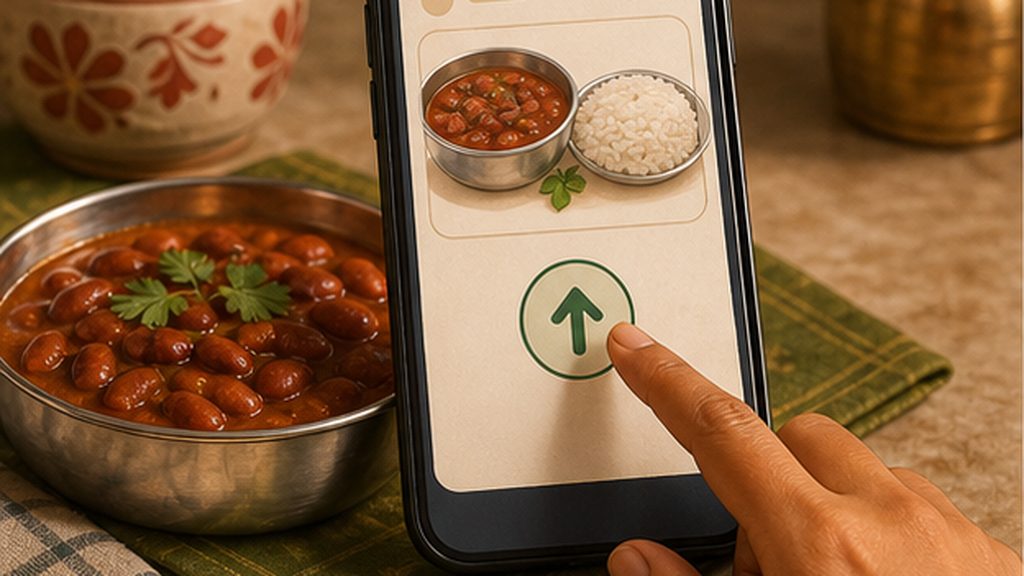
You typed 'rajma chawal' into Burnie. The AI gave you a number. It feels a bit low, almost too good. A small voice says, 'just accept it.' This tiny moment decides whether your log tells the truth this week. The nice number is a trap. The honest fix is the tool.
AI guesses are close, but not lab-exact
Burnie AI reads your words and guesses the calories. It is fast, and it is usually close. But it is not a lab. Scientists checked 31 studies of AI food tools. The average error per meal was about 18.7 percent. Some tools were off by up to 38 percent on average. Mixed dishes like biryani, khichdi, or rajma are the hardest of all. The AI cannot see your katori size. It cannot see the oil in the sabzi. So the first number is a good guess, not the truth. Your job is to make it honest.
If the AI gives me a low number, it means I ate less.
mostly falseMostly false. The AI can guess too low or too high, and you cannot tell which without checking. A low number feels nice, but it is often just wrong. About 30 percent of people under-report what they eat, and they miss about 15 percent of their calories. When you accept a too-low AI guess, you are doing the same thing. The mirror lies, your deficit math looks great, and your body still got the food. The people who lose weight are the ones who keep an honest log, not a flattering one.
Accept the nice number vs fix it honestly
How to correct the AI guess honestly
The bottom line
The AI gives you a fast first guess. Your job is to make it honest, not pretty. Check the portion, add what it missed, and type the real number when you know it. A flattering low guess hides the truth and stops you losing weight. An honest high number shows the truth and lets you change. Burnie is FREE, so use the honest fix every time. The true log is the one that works.