Burnie Academy
869 short, honest guides to Indian food and weight loss. No fake precision — every calorie figure traces to a named source.
 A simple home strength plan for total beginners
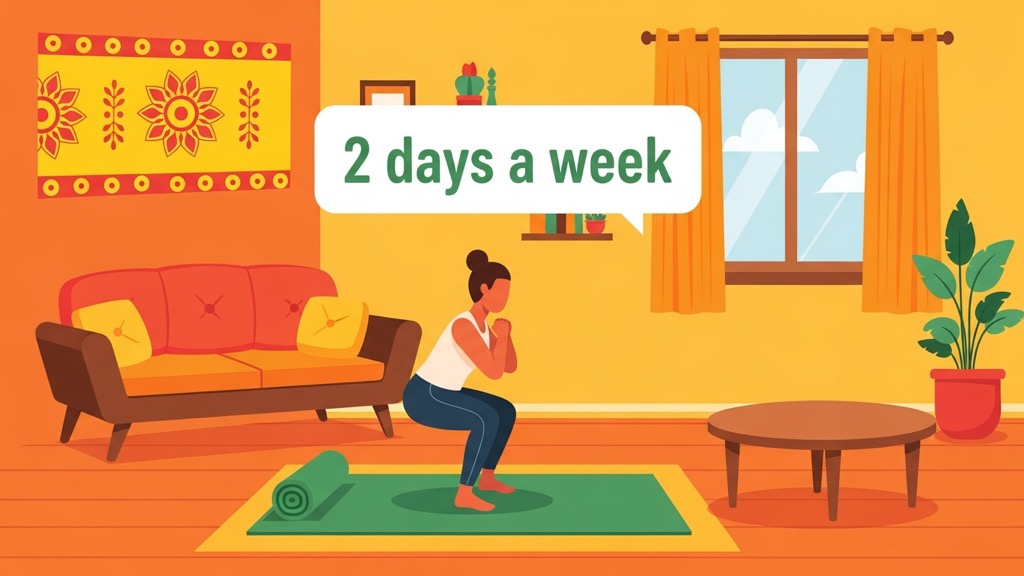
You eat less and walk more, but you have never done any strength work. A short two-day-a-week home plan protects your muscle, so the kilos you lose are mostly fat, not the muscle that holds your burn up.
A simple home strength plan for total beginners
You eat less and walk more, but you have never done any strength work. A short two-day-a-week home plan protects your muscle, so the kilos you lose are mostly fat, not the muscle that holds your burn up.
 Strengthen your back at home with zero equipment
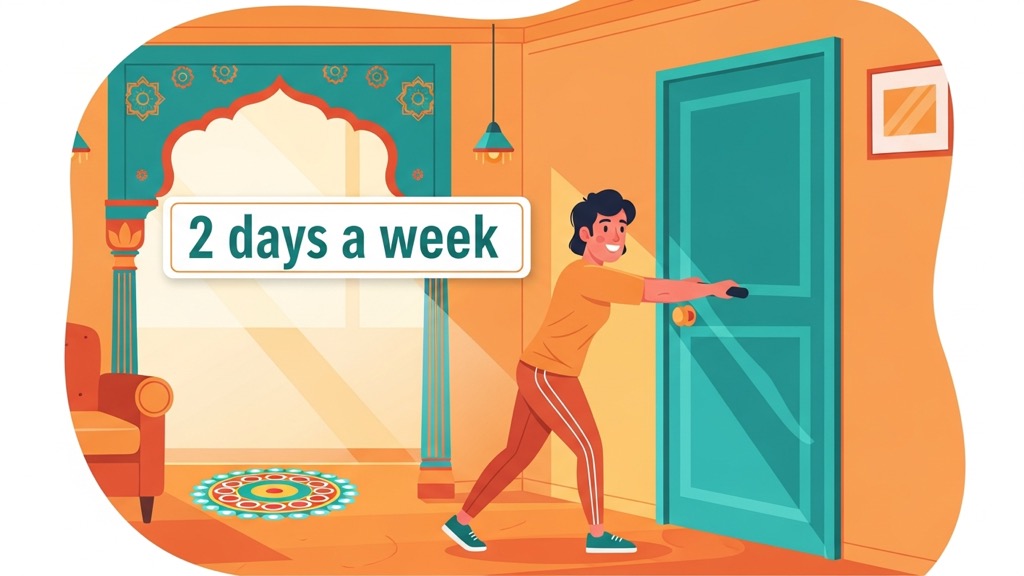
Sitting all day leaves your back weak and rounded. Three home moves — towel rows, supermans and doorframe rows — fix the slump with no kit and no cost.
Strengthen your back at home with zero equipment
Sitting all day leaves your back weak and rounded. Three home moves — towel rows, supermans and doorframe rows — fix the slump with no kit and no cost.
 Brisk not breathless: a walking pace that burns fat
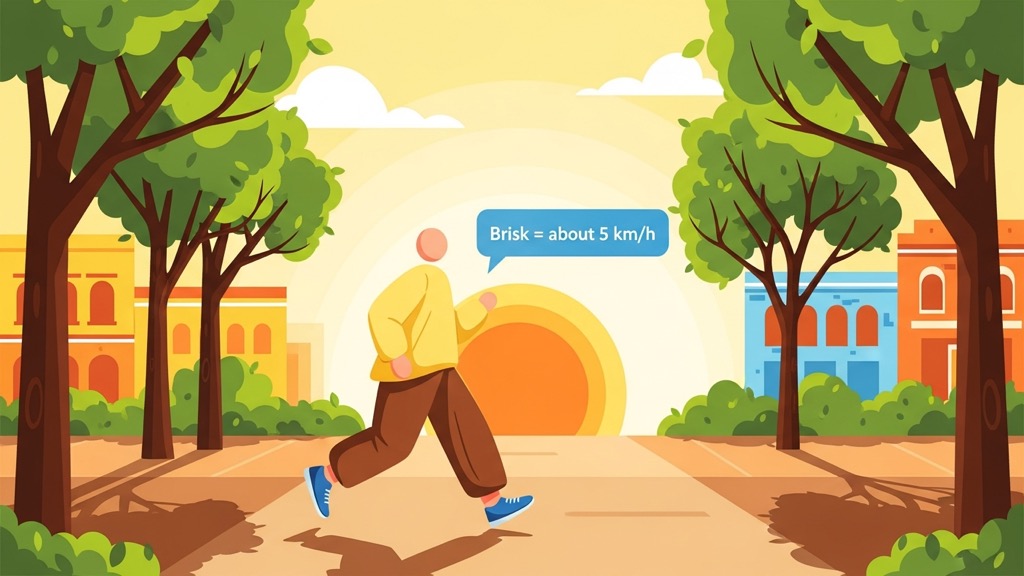
Brisk walking is about 5 km per hour. It is the pace where you can talk but you cannot sing. That easy test finds a moderate pace that burns fat and is easy to keep up, week after week.
Brisk not breathless: a walking pace that burns fat
Brisk walking is about 5 km per hour. It is the pace where you can talk but you cannot sing. That easy test finds a moderate pace that burns fat and is easy to keep up, week after week.
 Does a backpack really make your walk burn more?
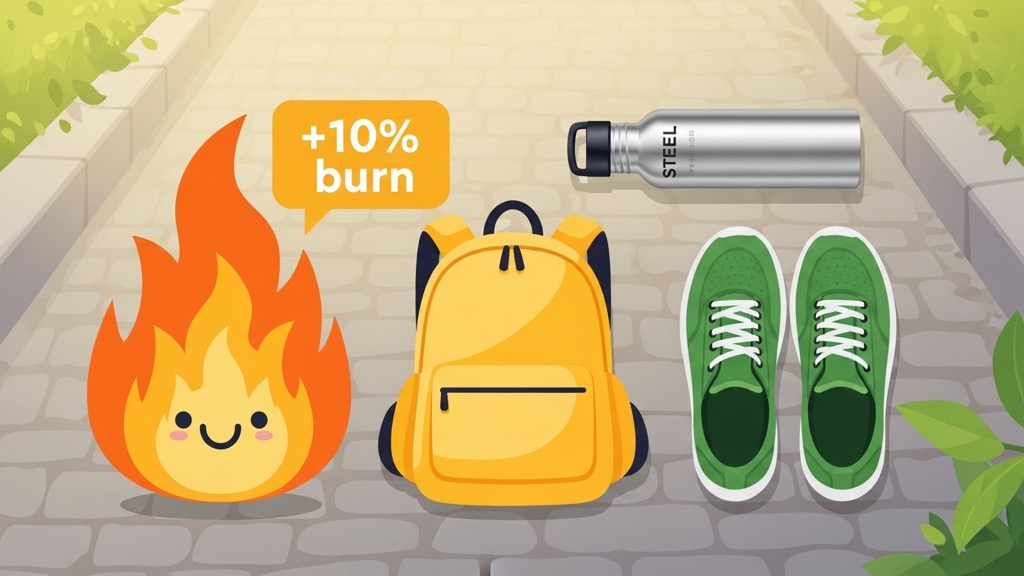
Carrying a bag while you walk does burn a few extra calories, but only a little. The honest maths says a light pack adds about 10-15% to your walk, a small real gain and not a free meal.
Does a backpack really make your walk burn more?
Carrying a bag while you walk does burn a few extra calories, but only a little. The honest maths says a light pack adds about 10-15% to your walk, a small real gain and not a free meal.
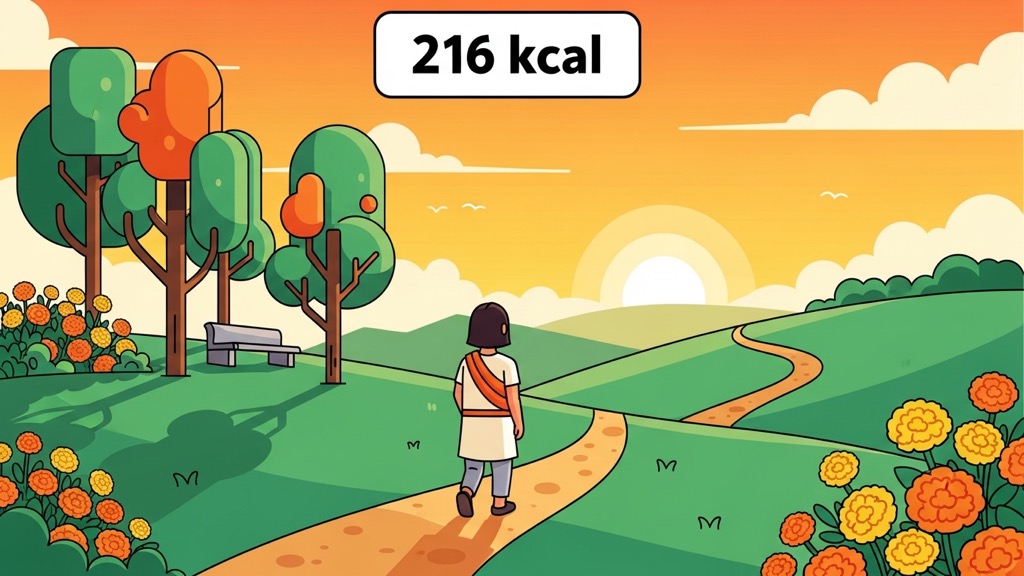 Does walking uphill really burn that many more calories?
Walking uphill makes you lift your body weight, so it burns more calories than a flat walk. The honest numbers show how much more, and when the climb is worth your effort.
Does walking uphill really burn that many more calories?
Walking uphill makes you lift your body weight, so it burns more calories than a flat walk. The honest numbers show how much more, and when the climb is worth your effort.
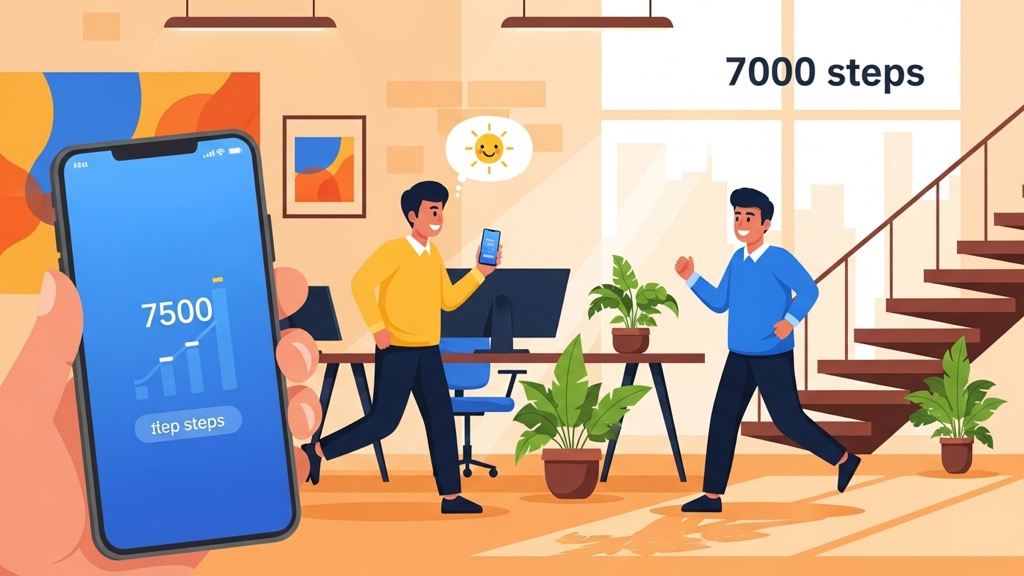 How to fit 5,000 more steps into a desk job
A desk job can pin you to a chair for nine hours. Here are small, free ways to add 5,000 more steps before you reach home, with no gym and no extra cost.
How to fit 5,000 more steps into a desk job
A desk job can pin you to a chair for nine hours. Here are small, free ways to add 5,000 more steps before you reach home, with no gym and no extra cost.
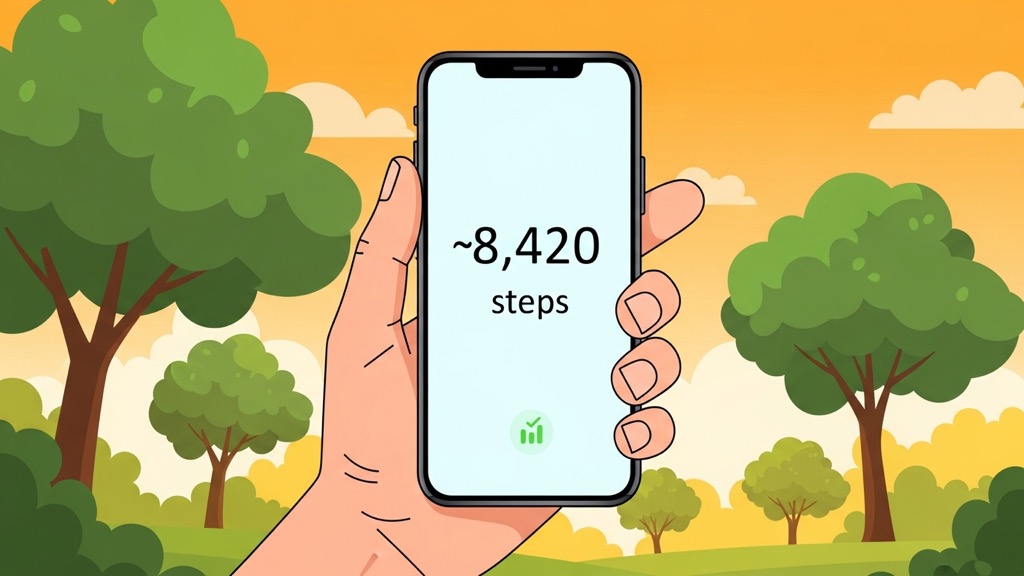 Your phone counts steps well, but not perfectly
Your phone's step counter is fairly honest on a real walk, but it misses steps when the phone sits on the table during cooking and chores. Use it to follow the trend, not the exact count.
Your phone counts steps well, but not perfectly
Your phone's step counter is fairly honest on a real walk, but it misses steps when the phone sits on the table during cooking and chores. Use it to follow the trend, not the exact count.
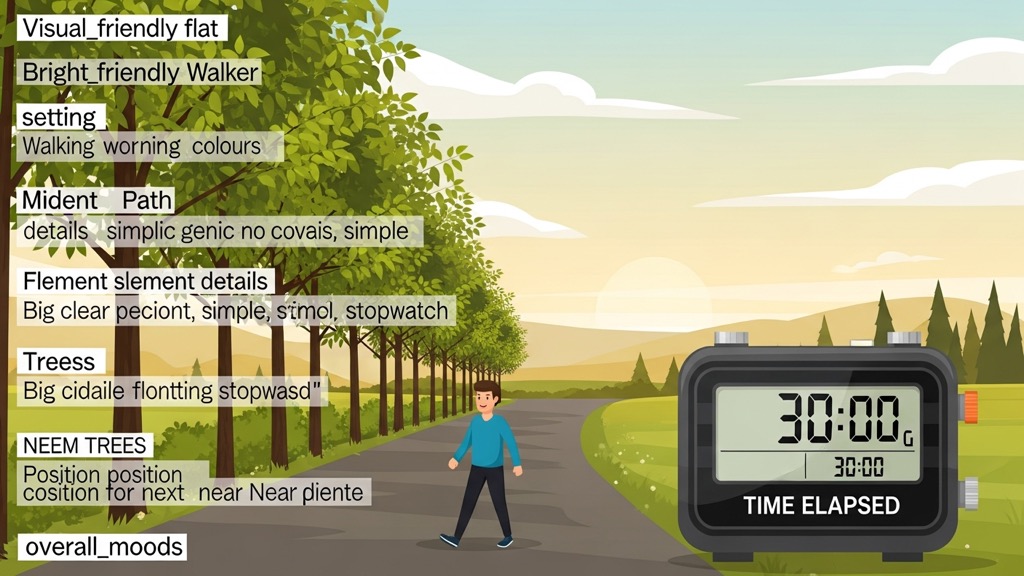 How long must a walk be to burn fat? The honest answer
There is no magic twenty-minute switch where fat burning begins. Your body burns fat from the very first minute. The honest walk length is about thirty minutes, most days, because that adds up to the weekly target that actually matters for weight and health.
How long must a walk be to burn fat? The honest answer
There is no magic twenty-minute switch where fat burning begins. Your body burns fat from the very first minute. The honest walk length is about thirty minutes, most days, because that adds up to the weekly target that actually matters for weight and health.
 10,000 steps or 7,000: what is the real target
The famous 10,000-step goal is not science. The real health gains flatten out near 7,000 to 8,000 steps for most adults, and the good news starts far lower than you think.
10,000 steps or 7,000: what is the real target
The famous 10,000-step goal is not science. The real health gains flatten out near 7,000 to 8,000 steps for most adults, and the good news starts far lower than you think.
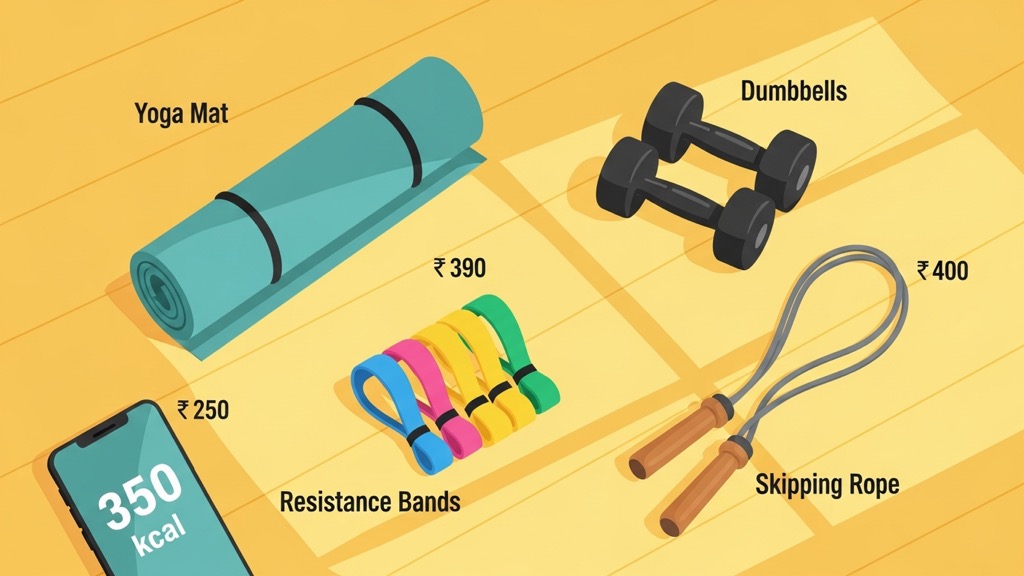 How to build a home gym for under 2,000 rupees
A gym membership costs thousands a year. For well under 2,000 rupees, a mat, two dumbbells, a band, and a skip rope let you burn real calories at home and widen your daily deficit. Here is the honest shopping list with real prices, and the maths that makes it work.
How to build a home gym for under 2,000 rupees
A gym membership costs thousands a year. For well under 2,000 rupees, a mat, two dumbbells, a band, and a skip rope let you burn real calories at home and widen your daily deficit. Here is the honest shopping list with real prices, and the maths that makes it work.
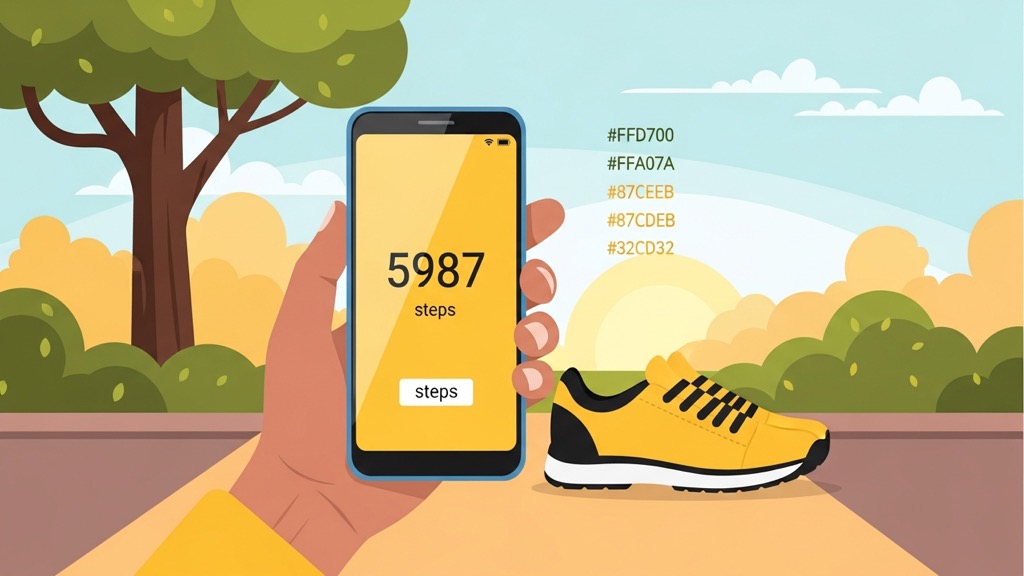 Count your steps without a smartwatch - your phone is enough
You do not need a smartwatch to know how much you walk. Your phone counts steps for free, and it is accurate enough to follow your weekly trend.
Count your steps without a smartwatch - your phone is enough
You do not need a smartwatch to know how much you walk. Your phone counts steps for free, and it is accurate enough to follow your weekly trend.
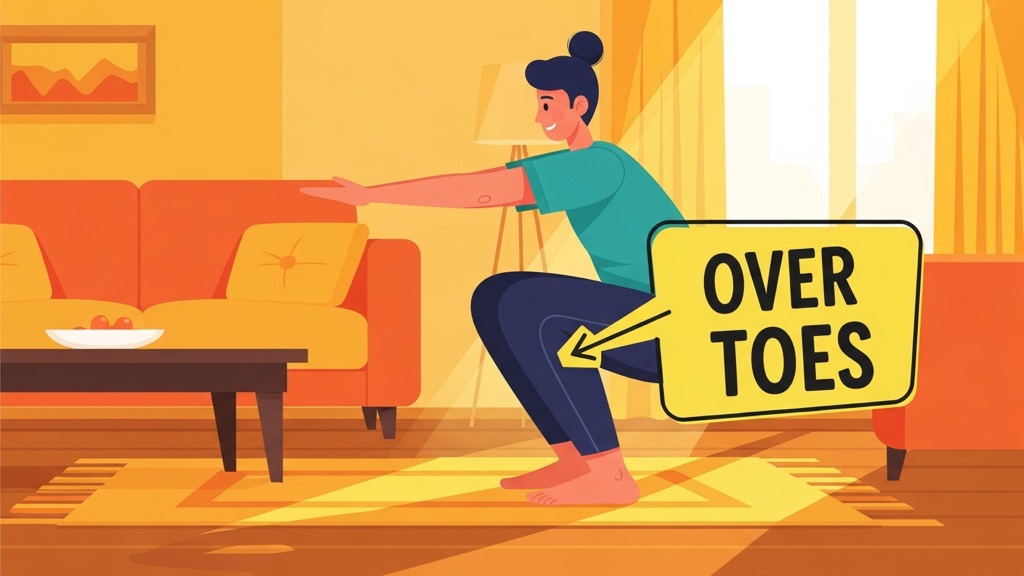 How to do a perfect bodyweight squat
The squat is the king of home leg moves, but only clean form keeps your knees safe. Learn the four cues and the honest truth: a few sets burn little, yet the muscle they build helps your weight-loss maths.
How to do a perfect bodyweight squat
The squat is the king of home leg moves, but only clean form keeps your knees safe. Learn the four cues and the honest truth: a few sets burn little, yet the muscle they build helps your weight-loss maths.
 How to keep walking through an Indian summer
The May and June heat can wipe out your daily walk and shrink your active calories. Move the walk to early morning, sip water before you feel thirsty, and keep an indoor backup plan ready so the streak does not break.
How to keep walking through an Indian summer
The May and June heat can wipe out your daily walk and shrink your active calories. Move the walk to early morning, sip water before you feel thirsty, and keep an indoor backup plan ready so the streak does not break.
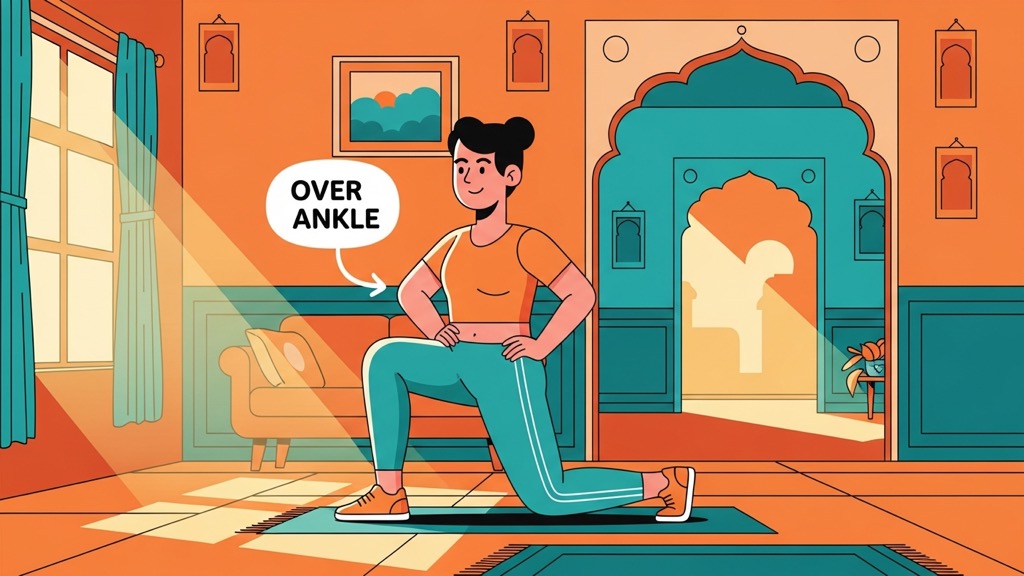 How to do a lunge without hurting your knees
Lunges build strong legs and burn real calories, but bad form hurts your knees. A longer step, an upright torso and the reverse lunge make this move safe and kind.
How to do a lunge without hurting your knees
Lunges build strong legs and burn real calories, but bad form hurts your knees. A longer step, an upright torso and the reverse lunge make this move safe and kind.
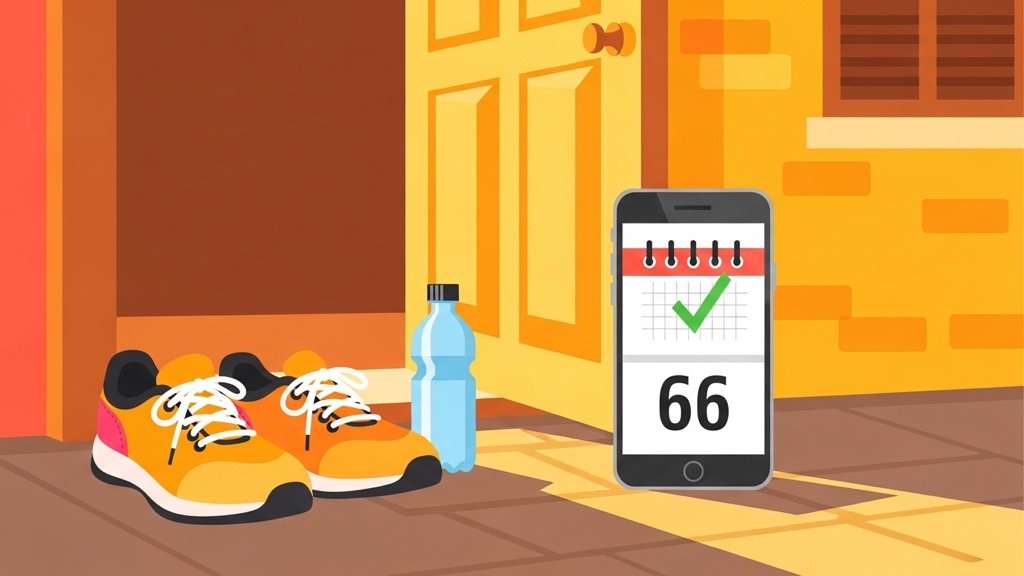 How to make a daily walk a habit you actually keep
Starting a walk is easy. Keeping it for months is hard. The trick is not more willpower. It is a simple four-piece design: a cue, a route, a buddy, and a podcast. Science says a daily habit takes about 66 days to stick, so here is the short checklist that gets you there.
How to make a daily walk a habit you actually keep
Starting a walk is easy. Keeping it for months is hard. The trick is not more willpower. It is a simple four-piece design: a cue, a route, a buddy, and a podcast. Science says a daily habit takes about 66 days to stick, so here is the short checklist that gets you there.
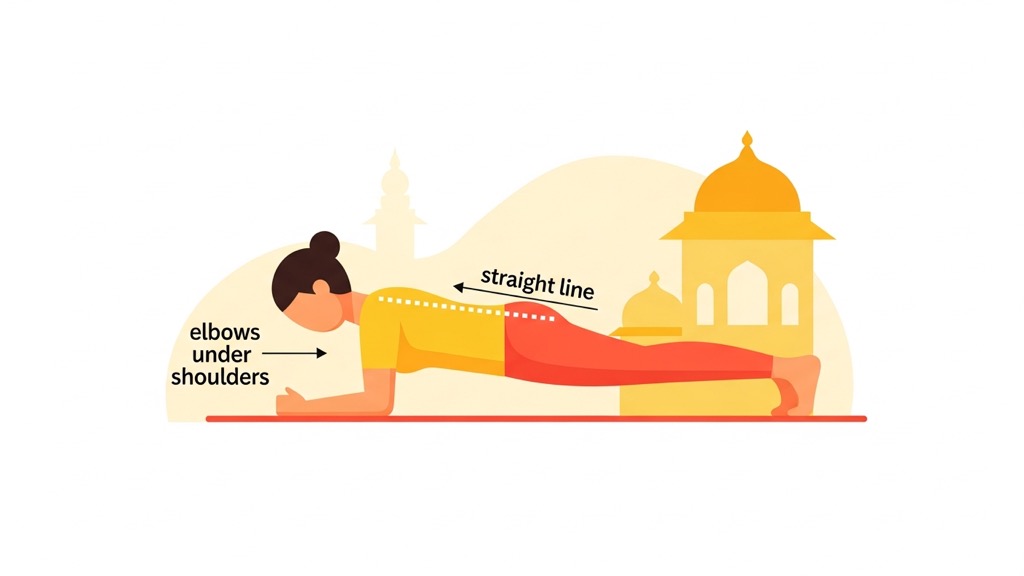 How to plank the right way — and how long to hold it
Planks look easy, but most people let their hips sag and then their back hurts. Here is the simple form that actually works your core, plus how long you really need to hold it.
How to plank the right way — and how long to hold it
Planks look easy, but most people let their hips sag and then their back hurts. Here is the simple form that actually works your core, plus how long you really need to hold it.
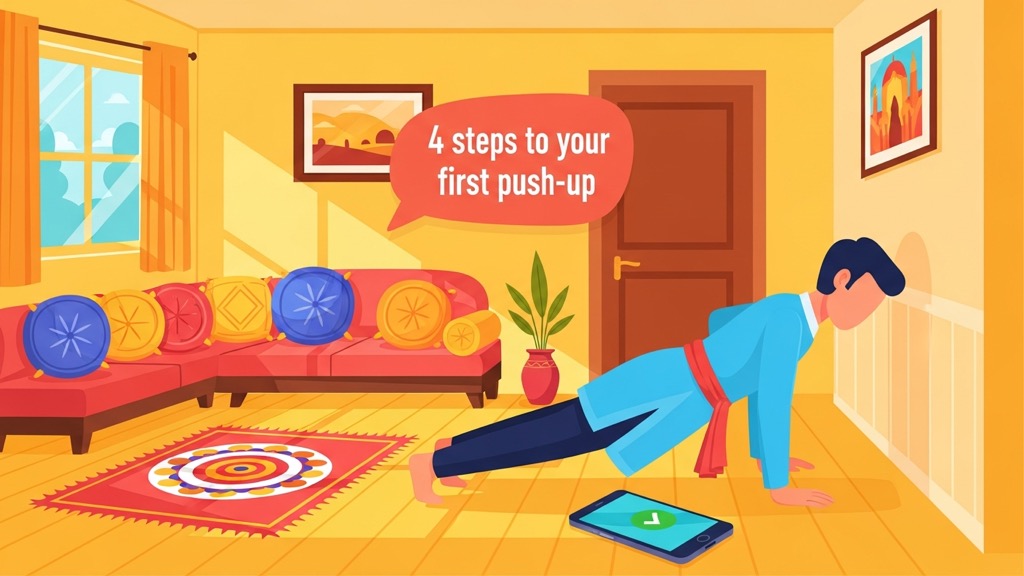 Your first real push-up: a four-step ladder from the wall
A full push-up lifts about two-thirds of your body weight, so you do not start there. Climb four small steps - wall, incline, knee, full - and earn your first real one.
Your first real push-up: a four-step ladder from the wall
A full push-up lifts about two-thirds of your body weight, so you do not start there. Climb four small steps - wall, incline, knee, full - and earn your first real one.
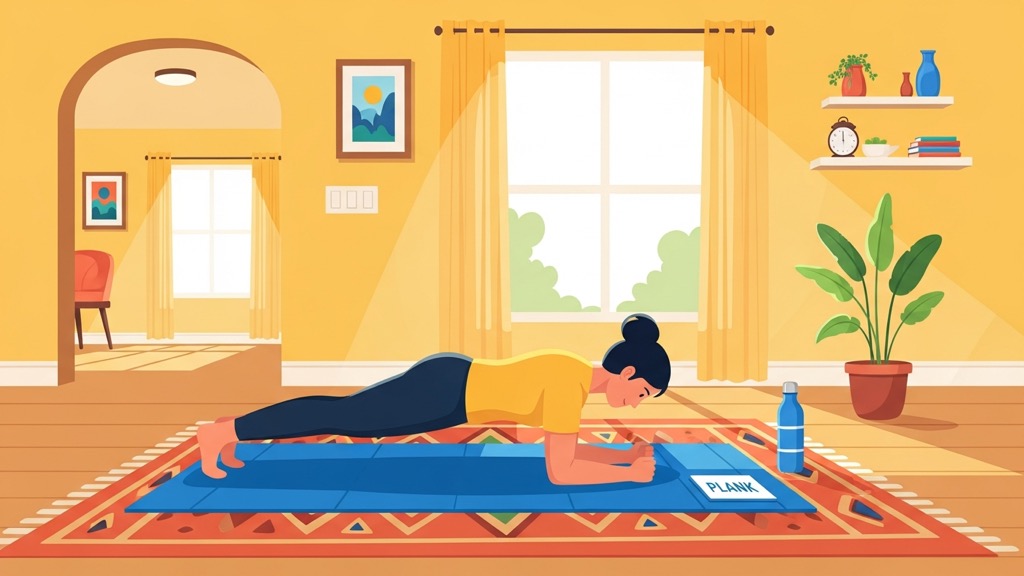 How to strengthen your core without a single crunch
Crunches hurt many necks and backs, and they only train the front of your middle. Three moves, the plank, the dead bug and the bird-dog, build your whole core, back included, without a single crunch.
How to strengthen your core without a single crunch
Crunches hurt many necks and backs, and they only train the front of your middle. Three moves, the plank, the dead bug and the bird-dog, build your whole core, back included, without a single crunch.
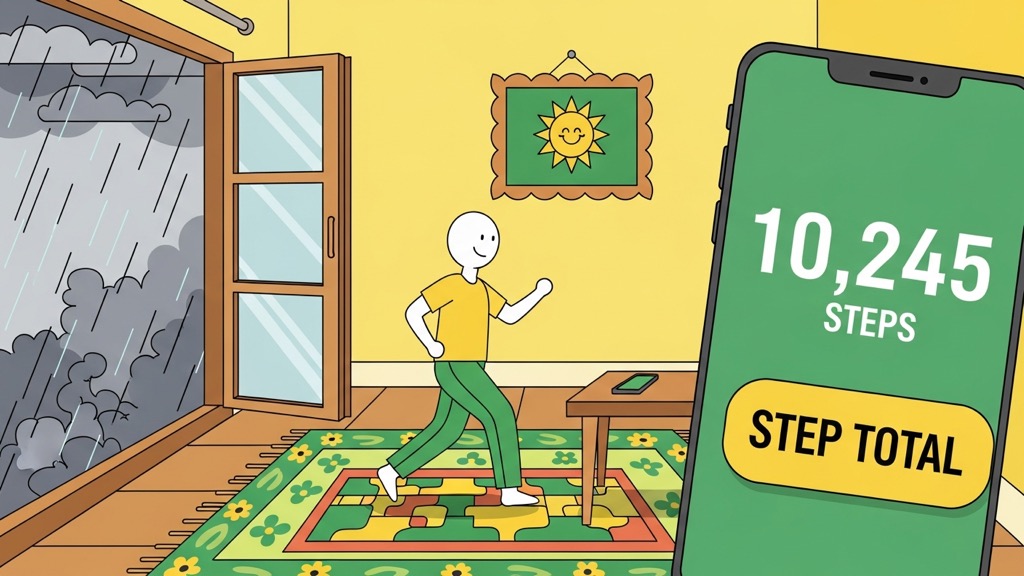 How to keep your steps up when the monsoon hits
Heavy rain can wash out your daily walk and break your streak. These indoor moves keep your step count alive when the streets are wet, so your weight-loss maths does not slip.
How to keep your steps up when the monsoon hits
Heavy rain can wash out your daily walk and break your streak. These indoor moves keep your step count alive when the streets are wet, so your weight-loss maths does not slip.
 Morning walk or evening walk: which really wins?
People love to argue about morning versus evening walks. The honest answer from the studies may surprise you, and there is one small edge for evening walkers you should know about.
Morning walk or evening walk: which really wins?
People love to argue about morning versus evening walks. The honest answer from the studies may surprise you, and there is one small edge for evening walkers you should know about.
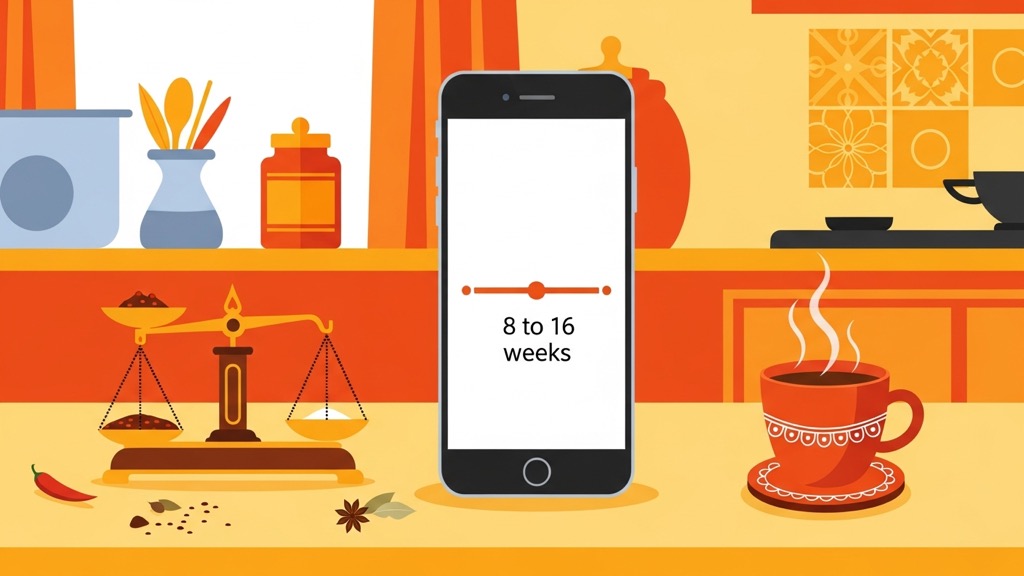 How long to reach your goal weight? The honest maths
You want to know the date you will reach your goal weight. The honest answer is one simple division, and it comes out as a range of weeks, not one fixed date.
How long to reach your goal weight? The honest maths
You want to know the date you will reach your goal weight. The honest answer is one simple division, and it comes out as a range of weeks, not one fixed date.
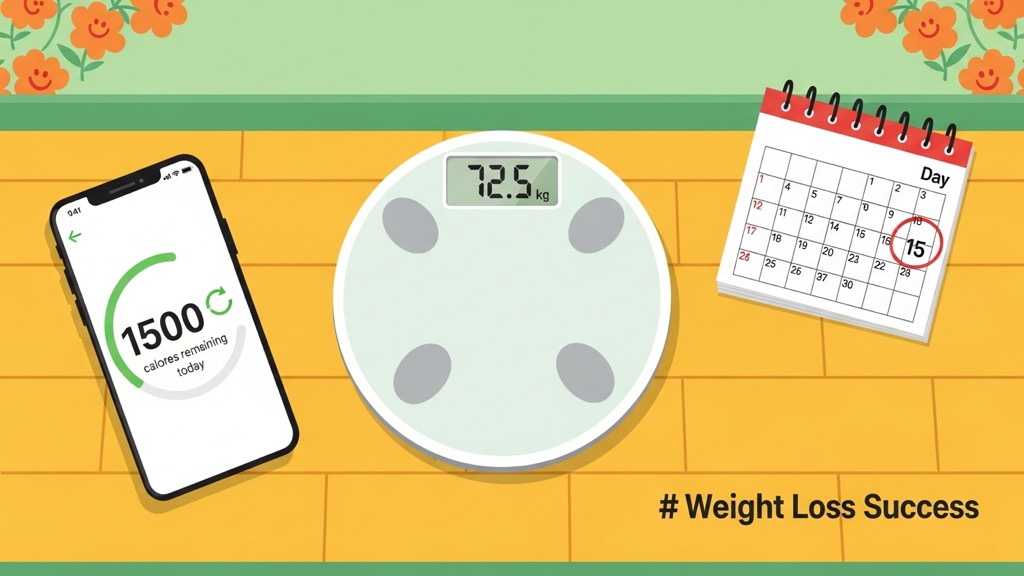 How often should you recalculate your calories?
Your calorie target is built from your weight, so it quietly goes stale as you get lighter. Refresh it about every five kilos you lose, or every four to six weeks, whichever comes first.
How often should you recalculate your calories?
Your calorie target is built from your weight, so it quietly goes stale as you get lighter. Refresh it about every five kilos you lose, or every four to six weeks, whichever comes first.
 How to audit your food log: five places calories hide
Your food log can look perfect and still miss calories, because they hide in five quiet spots. A simple five-point audit finds the leaks your deficit cannot explain.
How to audit your food log: five places calories hide
Your food log can look perfect and still miss calories, because they hide in five quiet spots. A simple five-point audit finds the leaks your deficit cannot explain.
 Crossing time zones? Pick one day for your calorie log
Flying across time zones splits your day and confuses your food log. Pick one local day, log every meal once, and let your weekly average do the maths.
Crossing time zones? Pick one day for your calorie log
Flying across time zones splits your day and confuses your food log. Pick one local day, log every meal once, and let your weekly average do the maths.
 How to explain a calorie deficit to your family in 2 minutes
Family food-love can feel like a fight when you start a calorie deficit. Here is a two-minute bank-account script that turns 'why are you dieting?' into real support.
How to explain a calorie deficit to your family in 2 minutes
Family food-love can feel like a fight when you start a calorie deficit. Here is a two-minute bank-account script that turns 'why are you dieting?' into real support.
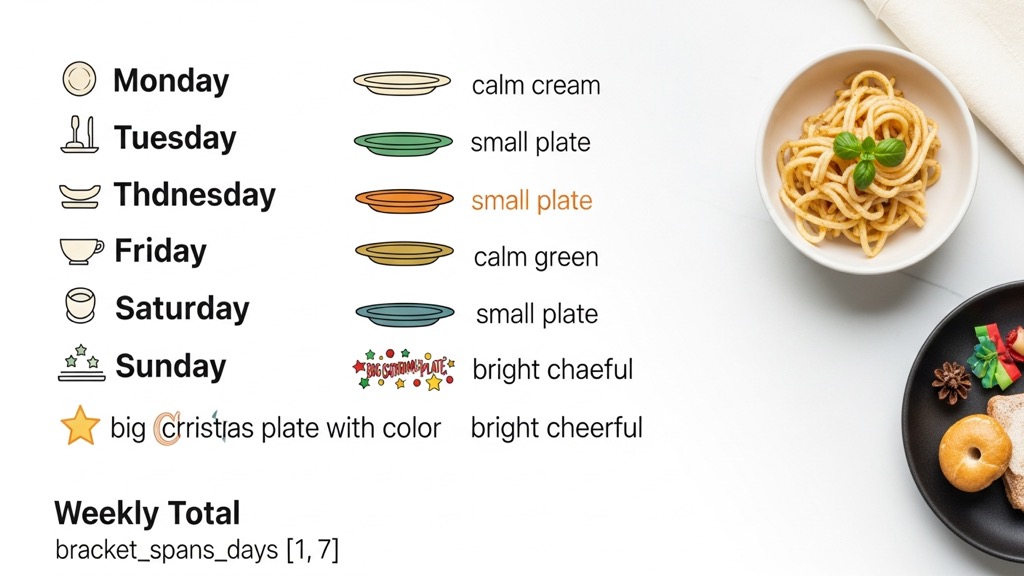 How to fit one treat day into your week without gaining
You can enjoy one treat day a week and still lose weight. The trick is weekly maths: bank a few calories on the other six days so the whole week still ends in a deficit.
How to fit one treat day into your week without gaining
You can enjoy one treat day a week and still lose weight. The trick is weekly maths: bank a few calories on the other six days so the whole week still ends in a deficit.
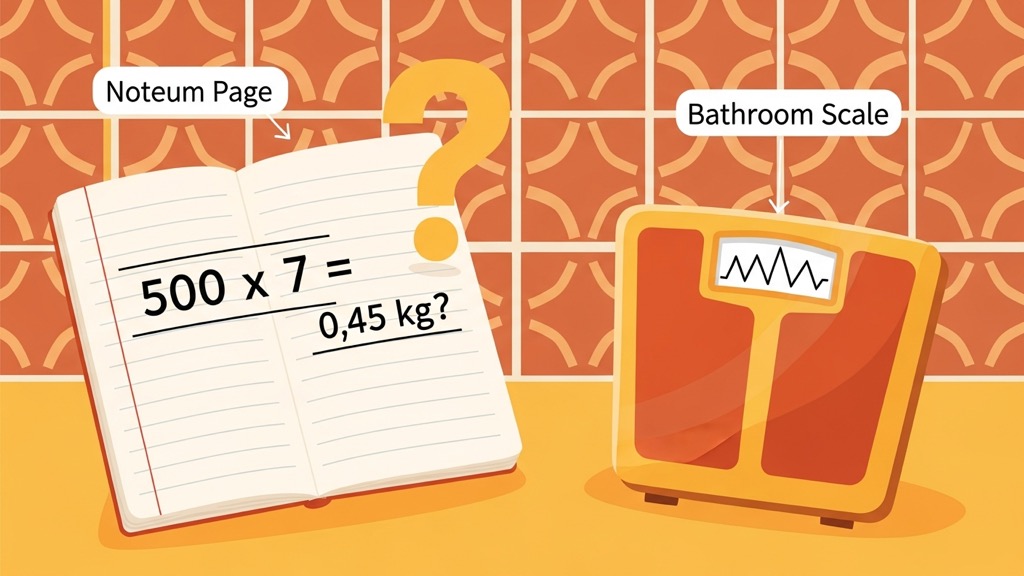 How to predict your weight loss from your deficit
You can guess your weight loss from your daily deficit, but the simple maths runs too fast. Here is how to shave the number down honestly so your hopes match your real curve.
How to predict your weight loss from your deficit
You can guess your weight loss from your daily deficit, but the simple maths runs too fast. Here is how to shave the number down honestly so your hopes match your real curve.
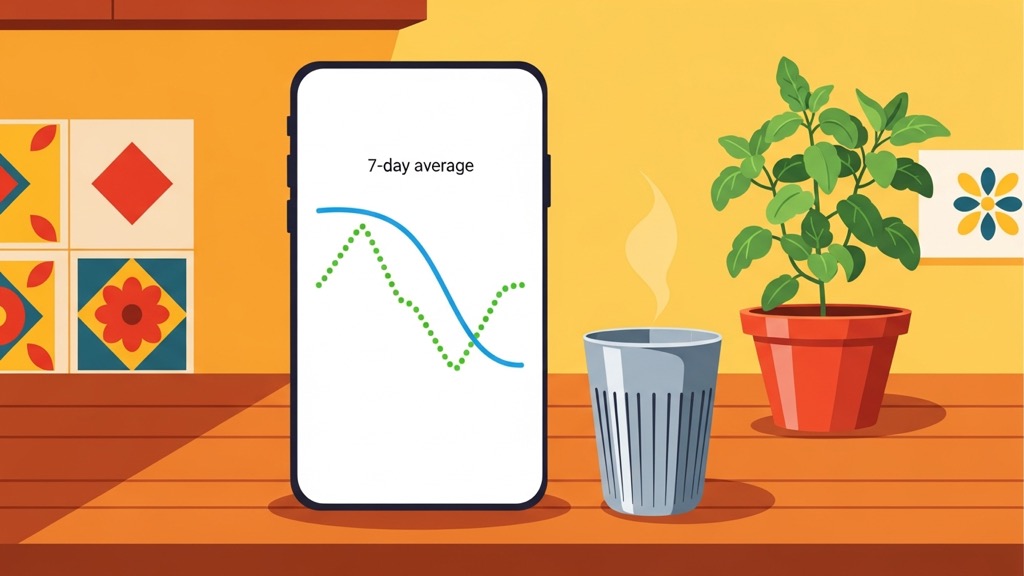 How to read your weight trend line (the seven-day average)
Your weight jumps up and down each day from water, salt and food in transit, so one morning tells you almost nothing. The honest signal is your seven-day average, the smooth line that shows where your body is really going.
How to read your weight trend line (the seven-day average)
Your weight jumps up and down each day from water, salt and food in transit, so one morning tells you almost nothing. The honest signal is your seven-day average, the smooth line that shows where your body is really going.
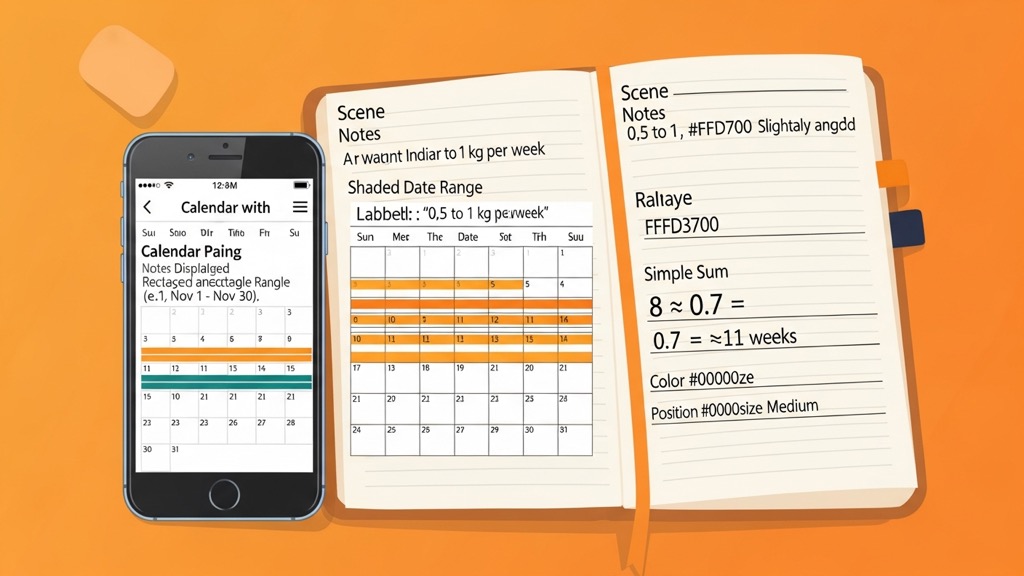 How to set a goal date that does not set you up to fail
Pick a goal date by maths, not by a festival. Divide your kilos by a safe 0.5 to 1 kg a week, then add buffer weeks for plateaus, festivals and real life.
How to set a goal date that does not set you up to fail
Pick a goal date by maths, not by a festival. Divide your kilos by a safe 0.5 to 1 kg a week, then add buffer weeks for plateaus, festivals and real life.
 Net vs gross calories: which number should you track?
Your app flashes two numbers: food calories and what is left. If you track food and also subtract exercise, you can count the same walk twice. Here is how to pick one honest method and stick to it.
Net vs gross calories: which number should you track?
Your app flashes two numbers: food calories and what is left. If you track food and also subtract exercise, you can count the same walk twice. Here is how to pick one honest method and stick to it.