When weight-loss dieting turns into disordered eating
Strict, rigid dieting can sometimes tip a vulnerable person into disordered eating, an unhealthy relationship with food and body. This is real, not a 'phase' or 'just discipline'. This gentle, India-aware guide explains the warning signs, why it matters, and how to get help. If food fear, guilt after eating, secret binge-restrict cycles, or social withdrawal around meals sound familiar, please talk to a doctor or a counsellor. Help works, and balanced, flexible eating is both healthier and more sustainable than any strict rule.
Losing weight can be a healthy goal when a doctor has advised it. But sometimes a diet that started with good intentions slowly turns into something else: a deep fear of food, guilt after eating, or a voice in your head that calls you 'weak' for eating a roti. In many Indian homes this is rarely talked about. A young woman skipping meals is often praised as 'discipline', and a young man eating nothing after the gym is called 'focused'. But rigid, extreme restriction can, in some people, tip into disordered eating, an unhealthy pattern around food and body. This is not a 'phase' and it is not 'just being careful'. It is a real health concern that can be eased with help. This article is here to help you notice the signs, understand why strict dieting can be risky for some people, and know that talking to a doctor or a mental-health professional is a strong, brave step, not a failure. There is no calorie counting here. This is about care.
The science: strict dieting can raise disordered-eating risk
Research is clear that dieting is a well-established risk factor for developing eating problems in some people. A 10-year study following young people found that dieters were two to three times more likely than non-dieters to develop binge eating problems over 5-year follow-ups. Another large study of young adults found that early dieting, along with low mood and body image worries, predicted later disordered eating, and that each added risk factor raised the odds further. Disordered eating means a range of abnormal eating behaviours that, on their own, may not meet the full diagnosis of an eating disorder, but still cause distress and harm. Common signs include chronic restrained eating, binge eating with a feeling of loss of control, eating alone out of embarrassment, feeling disgusted, depressed, or very guilty after eating, and self-worth becoming too tied to weight or shape. In India, these signs are easy to miss because family 'diet policing' of young people, especially young women, is so common. A parent loudly praising a daughter for skipping dinner, or scolding her for eating a sweet, can feed exactly the guilt-and-fear cycle this article is about. Please treat these signs as real. They are not weakness or bad manners; they are signals to ask for help.
Strict dieting is just discipline, and stricter is always better.
falseFalse. Rigid, extreme restriction can, in vulnerable people, raise the risk of disordered eating, and research shows dieters are more likely to develop binge eating than non-dieters. Calling strict restriction 'discipline' hides the harm: it can create a cycle of guilt, secret eating, and loss of control that looks like willpower from the outside but feels like distress inside. Flexible, balanced eating, where no single food is 'forbidden' and meals fit your life, is healthier and more sustainable over years. If you or your family are praising extreme restriction, please pause and ask whether it is helping or hurting.
What helps: gentle steps toward a healthier relationship with food
- Notice the signs. Extreme fear of certain foods, guilt after eating, secret eating, or avoiding meals with family are signals to take seriously, not 'silliness'.
- Talk to a doctor or a mental-health professional. A counsellor, psychologist, or psychiatrist can help you understand what is happening and guide recovery. This is a strong step, not a weakness.
- Involve a trusted family member. Tell someone who will listen without judging. If family 'diet policing' is part of the pressure, gently explain that comments on your plate add to the struggle.
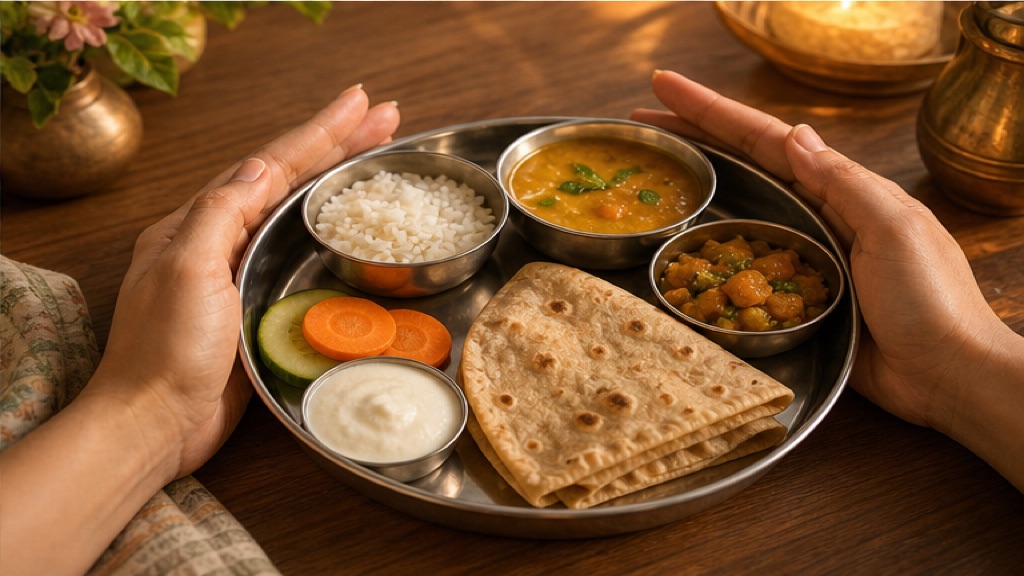
- Drop extreme rules. No food is purely 'good' or 'bad'. Banning foods often makes the craving louder. A balanced plate with roti, rice, dal, sabzi, and the occasional sweet is normal and healthy.
- Eat regularly. Skipping meals to 'save up' often backfires into a binge. Rough, regular meals and snacks keep energy and mood steady.
- Move the focus away from the scale. Health is about energy, sleep, mood, and being able to join family meals, not a single number.
- Be patient with yourself. Changing a difficult relationship with food takes time. Relapses happen and are not failures; they are part of the path.
The bottom line
Weight-loss dieting can, in some people, tip into disordered eating: a real, painful relationship with food and body that is not a 'phase' or 'just discipline'. Watch for food fear, guilt after eating, secret binge-restrict cycles, social withdrawal around meals, and self-worth tied to the scale. In Indian homes, family 'diet policing' can hide these signs, so please take them seriously. The good news is that help works: talking to a doctor or a mental-health professional, involving a trusted family member, dropping extreme rules, and returning to flexible, balanced eating are all proven paths forward. No food is purely 'good' or 'bad', and a healthy life includes family meals, festivals, and the occasional sweet without guilt. If anything in this article sounds familiar, please reach out for help today. You deserve care, not a stricter rule.