Water problems on GLP-1 medicines: the hydration story
GLP-1 medicines like semaglutide often cause nausea, vomiting and diarrhoea, and they make you feel full so you drink less. That double hit can quietly dehydrate you, and dehydration can strain your kidneys. This article explains the chain, the warning signs, and the simple Indian way to stay safe: sip steadily through the day, keep urine pale yellow, and use ORS when your stomach is upset. Always talk to your doctor, this is not medical advice.
If you are on a GLP-1 medicine like semaglutide (Wegovy, Ozempic) or liraglutide, you may have noticed something the doctor mentioned in passing: your stomach feels off. You feel full quickly, sometimes nauseous, and for some people there is vomiting or loose motions. That is common, not a sign you did something wrong. But it brings a side problem nobody talks about much: water. The medicine makes you eat less, and it can make you drink less too, just when your body is losing extra water from the stomach trouble. This article is the honest hydration story for Indians on GLP-1 medicines, the one you asked about. What actually happens, how much water is enough, what to sip when you feel sick, the red flags that mean call your doctor, and why your kidneys care so much. Nothing here is a prescription. Talk to your doctor before changing how you eat or drink.
The chain: GLP-1 slows your gut, you lose fluids, and your kidneys pay
Here is the chain, step by step. GLP-1 medicines slow your stomach emptying and act on the brain's nausea centre. That is why you feel full and why many people get nausea, vomiting and diarrhoea, especially in the first weeks. The FDA Wegovy label lists nausea, diarrhoea and vomiting as the most common side effects. Now two things happen at once. One, you lose water and salts through vomiting and loose motions. Two, because you feel full and a bit sick, you drink less. You may not even notice it, a few sips here and there instead of a full glass. That is how dehydration sneaks in. The FDA label for semaglutide warns there have been postmarketing reports of acute kidney injury, in some cases needing dialysis, and that most of these happened in patients who had gastrointestinal side effects leading to dehydration. A PubMed case report of two patients found rapid worsening of kidney function after starting semaglutide, and noted that most adverse kidney events occur in people with gastrointestinal symptoms. A pooled analysis of seven trials urged caution, because the gastrointestinal effects can change your body's fluid status. So this is not a scare story, it is a real, documented chain: gut slows, you lose fluids, you drink less, and the kidneys, which need steady water to filter waste, take the strain. If you already have kidney disease or diabetes, your reserve is smaller, so the same dehydration hits harder.
Just drink lots of water and you will be fine on GLP-1s.
VerdictHalf true, and the half that is missing matters. The right idea is to drink steadily through the day, enough to keep your urine pale yellow. That pale-yellow test is the practical measure, not a fixed litre number, because how much you need changes with your size, the heat, and how much you are losing from your stomach. The wrong part is chugging huge amounts all at once. When you are nauseous, a big gulp can bring it right back up, and that helps nothing. Small sips, many times through the day, is what works. And plain water alone is not enough when you are vomiting or have loose motions, because you are losing salts too. That is when you need ORS, water with the right sugar and salt, not just plain water. So the honest version: sip steadily, aim for pale-yellow urine, and switch to ORS when your stomach is upset. If you cannot keep even sips down, that is a red flag, call your doctor.
Staying hydrated on GLP-1s, the practical Indian way
- Sip steadily through the day, not big gulps. Keep a bottle where you can see it. A few sips every 20-30 minutes beats one full glass that comes back up.
- Use the pale-yellow test. If your urine is pale yellow, you are roughly okay. Dark yellow or brownish means drink more; if it stays dark despite sipping, call your doctor.
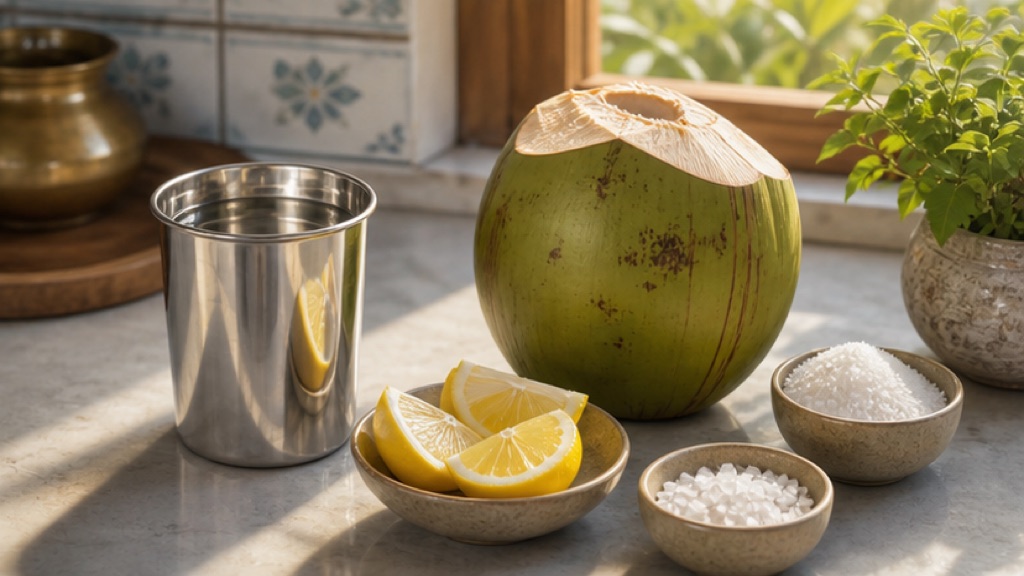
- Count Indian heat. In May-June, in sun and sweat, you need more than on a cool day. Add a glass of chaas, nariyal pani, or nimbu pani with salt and sugar when you sweat.
- Keep ORS sachets at home, always. The moment you have vomiting or loose motions, switch from plain water to ORS mixed exactly as the packet says. ORS replaces water and salts together, plain water alone cannot.
- Skip sugary sodas and ice-cold drinks when nauseous. The sugar and the cold shock a slow, sensitive stomach and can make nausea worse.
- Know the red flags: dark or very little urine, dizziness when you stand up, dry mouth, fast heartbeat, confusion, or you cannot keep fluids down. Any of these means call your doctor the same day, do not wait.
- If you have kidney disease or diabetes, ask your doctor for a fluid plan before you start the medicine. Your kidney reserve is smaller, so dehydration hits harder and faster.
- Tell your doctor about nausea, vomiting or diarrhoea that lasts more than a day or two. They can slow the dose rise, check your kidney tests, or change the plan. Never stop the medicine on your own without asking.
The bottom line
GLP-1 medicines can quietly dehydrate you because they cause nausea, vomiting and diarrhoea on one side and make you drink less on the other, and that dehydration can strain your kidneys, sometimes seriously. The fix is simple but you have to do it daily: sip water steadily through the day, aim for pale-yellow urine, use Indian sips like chaas, nariyal pani and nimbu pani with salt and sugar in the heat, and switch to ORS the moment your stomach is upset. Skip sugary and ice-cold drinks when nauseous. Know the red flags: dark or little urine, dizziness on standing, dry mouth, fast heart, confusion, or not keeping fluids down. Any of those, call your doctor the same day. If you have kidney disease or diabetes, ask your doctor for a fluid plan before you start. Nothing here is a prescription, it is the hydration story you asked about. Talk to your doctor, sip steadily, and let the medicine work without your kidneys paying for it.