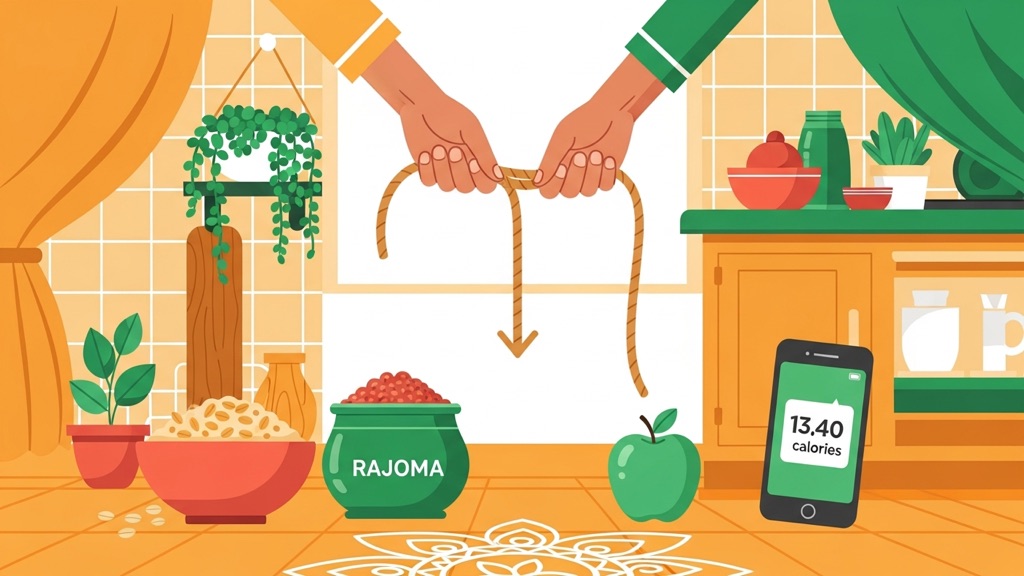
High cholesterol and a deficit — they usually pull the same way
A high cholesterol report can feel like one more thing fighting your weight-loss plan. The honest maths is kinder: a steady calorie deficit, a bit more soluble fibre, and less saturated fat usually pull your LDL the same way you want — down. You do not have to choose between the two goals. Burnie logs the food maths. Your doctor owns the lipid plan.
Your doctor says your cholesterol is high. You are already trying to lose weight on Burnie. Now it feels like two fights at once. Eat less to shrink the deficit. Eat right to fix the heart. Do they clash? Most of the time, no. The same plate that helps the deficit also helps the cholesterol. The two goals usually pull the same way. This short read is about why that is true, and how to log it without driving yourself mad.
If you have high cholesterol, a calorie deficit will make it worse.
mostly falsemostly false — explained simply
This fear comes from crash diets that cut all fats and starve the body. Done badly, any diet can mess with your fats. But a steady, small calorie deficit is not a crash diet. It tends to do the opposite. When overweight adults in one study lost just 5 to 10 percent of their body weight, their LDL cholesterol and triglycerides fell in step. The deficit does not fight the lipid goal. It usually helps it.
Three friends pull LDL down
LDL is the 'bad' cholesterol that can clog your arteries. Three habits pull it down. First, a small weight loss. One study found losing 5 to 10 percent of your body weight drops LDL along with triglycerides. Second, soluble fibre. This is the soft fibre in oats, beans, apples and isabgol. A big review of 181 trials found that for every extra 5 grams of soluble fibre a day, LDL fell by about 5.6 mg/dL. Third, less saturated fat. The American Heart Association says keep saturated fat under 6 percent of your day's calories. That is about 13 grams a day on a 2,000-calorie diet. Replace ghee and butter with a little oil, dal, or fish. All three friends pull the same way your deficit pulls. That is the maths.
What Burnie logs vs what your doctor owns
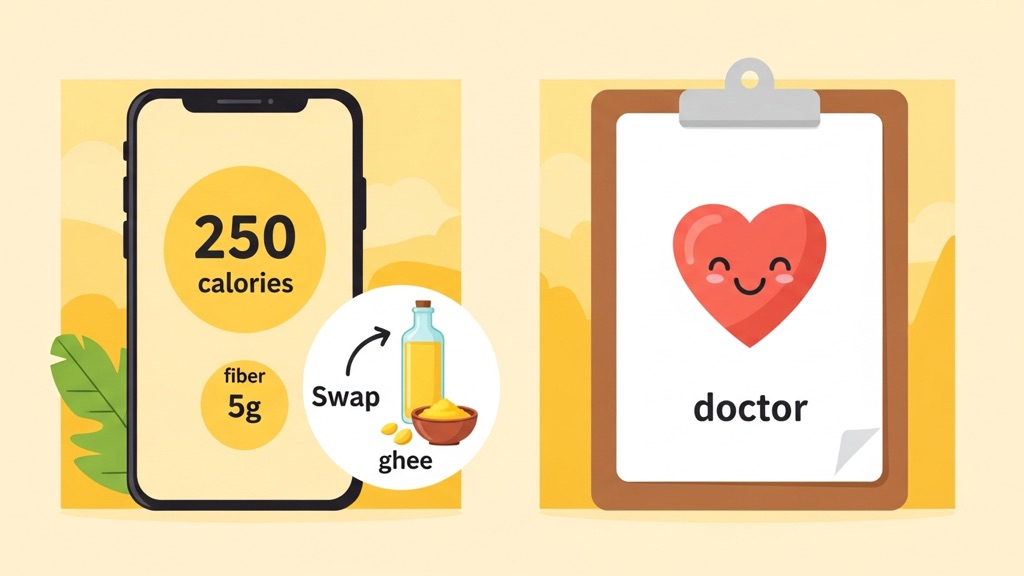
Small Indian-food moves that pull LDL down
The bottom line
High cholesterol and a calorie deficit are usually friends, not enemies. Lose 5 to 10 percent of your weight and your LDL tends to fall with it. Add about 5 grams of soluble fibre a day and LDL falls a little more. Trim saturated fat toward the AHA's 13-grams-a-day mark and it falls again. The same plate does both jobs. Log the deficit, the fibre, and the saturated fat in Burnie. Let your doctor own the LDL target and any statin. That is the whole deal.