Smartwatch Calorie Numbers Are Guesses, Not Measurements
Studies tested many smartwatches and found the calorie numbers are often wrong by 20 to 90 percent. Burnie does not use a smartwatch or heart rate; it uses your phone or a manual override instead.
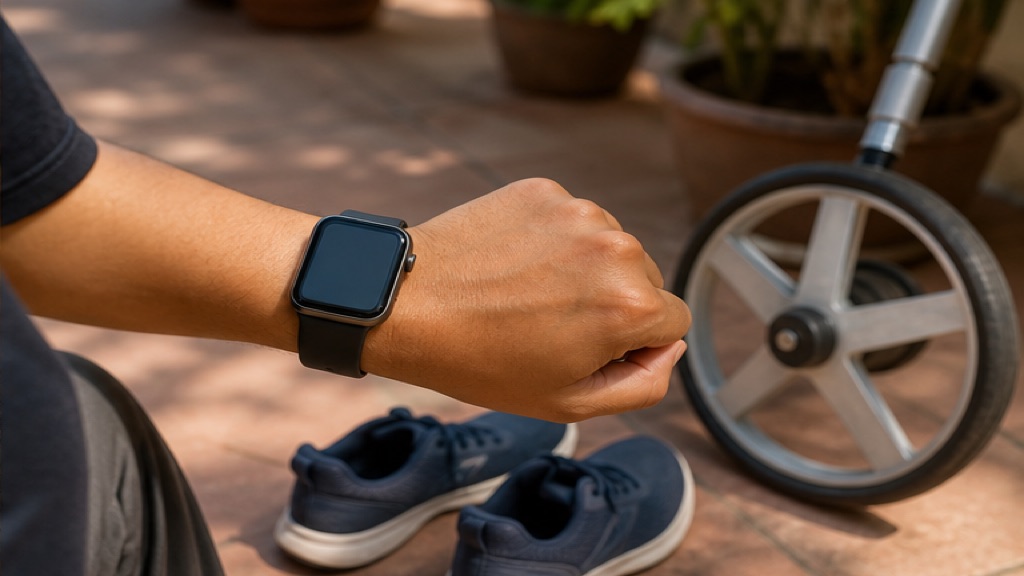
Your smartwatch says you burned 420 calories today. That number looks like a fact. It is not. Scientists have tested these watches in labs, again and again. The calorie number on your wrist is a guess, and the guess can be very wrong. This is general science about smartwatches. It is not a Burnie feature. Burnie never reads your heart rate or a smartwatch feed. Burnie uses your phone or a manual override for active calories instead.
The big Stanford test: seven watches, one lab
In 2017, Stanford doctors tested seven wrist-worn trackers on 60 people. People sat, walked, ran, and cycled. The doctors compared each watch's calorie number to a real lab machine that measures breath to find true calories burned. The result was clear and sad. No device achieved an error in energy expenditure below 20 percent. The best watch, the Fitbit Surge, was still off by about 27 percent on calories. The worst one, the PulseOn, was off by about 93 percent. So even the best watch in this careful lab test missed the true calories by more than a quarter.
What later studies found about smartwatch calories
My smartwatch calorie number is a real measurement, so I can eat those calories back.
mostly falseMostly false. Studies again and again show watch calorie numbers can be off by 20 to over 90 percent. One review of 158 papers found only 9.2 percent of calorie numbers were within 3 percent of the true value. So the number is an estimate, not a measurement. Eating those calories back can easily push you out of your calorie deficit.
How to use a smartwatch number wisely
The bottom line
Smartwatch calorie numbers are estimates with large error, not measurements. Studies show watches can be off by 20 to over 90 percent. Use the number as a rough guide, and do not eat all of it back. Burnie does not use a smartwatch or heart rate. It uses your phone or a manual override (PUT /api/summary/daily/active-calories). Put your real effort into logging food before you eat. That is the side you control.