
The streak that survives a bad day, not a perfect one
A 30-day logging streak that snaps after one wedding night can feel like failure. The habit science says one missed day barely dents your automaticity. What truly counts is the restart you do the next morning.
You were on a 23-day streak. Then came the shaadi season. You ate, you danced, you forgot to log. The next morning your streak shows zero. It feels like the whole run was wasted. It was not. The real test of a useful streak is not the perfect run. It is the morning after.
Once your streak breaks, the habit is broken too.
mostly falsemostly false
A streak is a count on a screen. The habit lives deeper, in the brain's automatic wiring. One missed day does not erase that wiring. People who study habits say it plainly: missing one chance to do the behaviour did not seriously hurt the habit-forming process. The automaticity came back soon after one miss. So the break is a pause, not a wipe.
One miss in a 66-day run
Habits form slowly. On average, it takes about 66 days of daily repetition for a new behaviour to feel automatic. That is more than two months of work. One missed day is roughly one in sixty-six. The brain barely notices. What does hurt the habit is missing two, three, four days in a row. That is the line to watch. One miss is normal. The miss that turns into a quiet quit is the real problem.
Three mornings after a broken streak
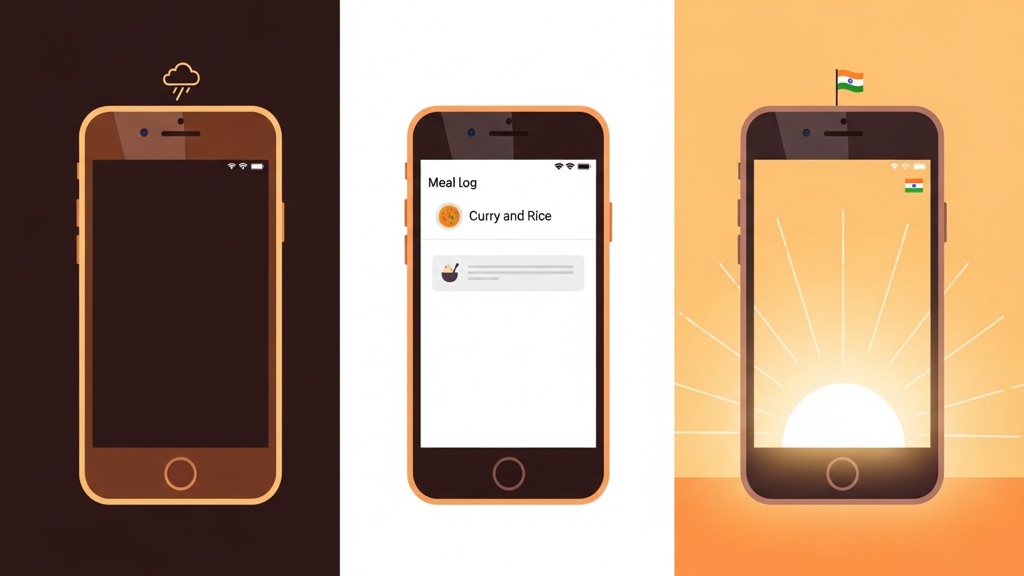
Restart the streak the morning after
The bottom line
A perfect streak is a fragile thing. It breaks at the first wedding, the first fever, the first late night. The streak that actually helps you lose weight is the bendy kind. It snaps, and then it lights up again the next morning. Habit researchers found one missed day barely dents automaticity, and that 'new beginning' days are exactly when people restart their goals best. So when your streak breaks, do not mourn the number. Open Burnie. Log the chai. Start streak number one, again.