Weight loss on beta-blockers — the heart-rate lie and what to track
If you take a beta-blocker, your watch will show a low pulse and a tiny calories-burned number. That number is lying to you. Track steps, the talk test, and your daily deficit in Burnie instead, and co-manage the medicine with your doctor.
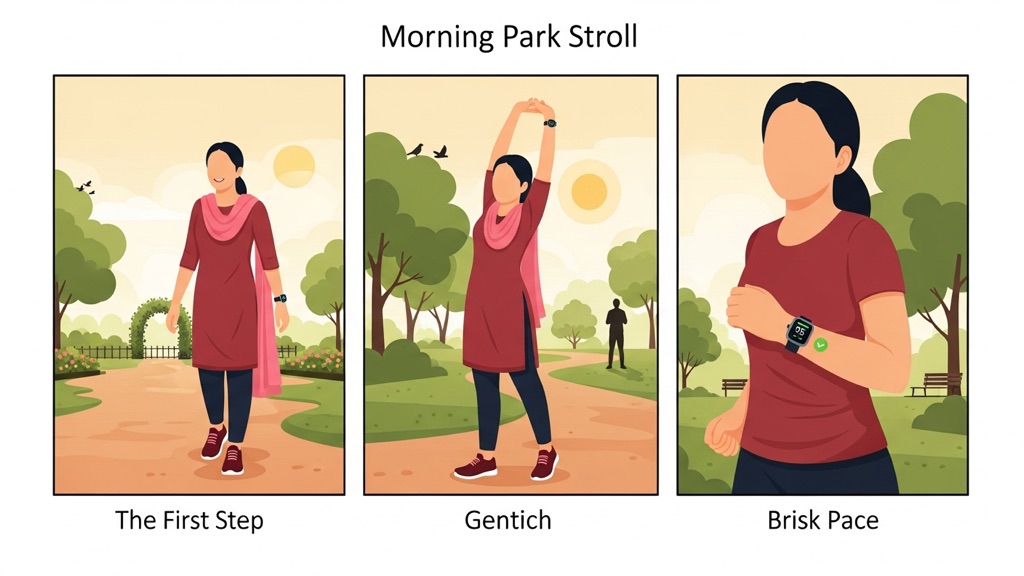
You take a beta-blocker tablet for your heart or blood pressure. You go for a brisk walk in the park. Halfway through, you check your watch. It says your pulse is 88. It says you burned almost nothing. You feel flat. You think, "Why bother? My body is doing nothing." This short read is about that lie — and what to track instead. Burnie never reads your heart rate, so this is about your own practice. Your doctor owns your medicine plan.
If my watch shows a low heart rate and a low calories-burned number on a walk, my workout is useless.
mostly falsemostly false — explained simply
Your watch guesses calories from your pulse. That guess is broken on a beta-blocker. The pill slows your pulse on purpose, so the watch thinks you are barely moving even when you walk fast. In one big Stanford study of seven wrist devices, not one was within 20 percent of the true calories burned, even in healthy people. On a beta-blocker, the gap is wider. The low number is the lie. Your real work is still real work.
Beta-blockers slow your pulse on purpose
Beta-blockers are heart medicines with names like metoprolol, atenolol, propranolol or bisoprolol. They relieve stress on your heart by slowing the heartbeat. The American Heart Association says it clearly: when you take them, your heart rate is being slowed, and you may need to adjust your target heart rate for exercise. Scientists have also shown that beta-blockade lowers the heart rate and oxygen use during a workout, but the effort you feel (called RPE) stays the same. So your legs still feel the climb, even when your pulse reads low. This is exactly why your watch gets confused.
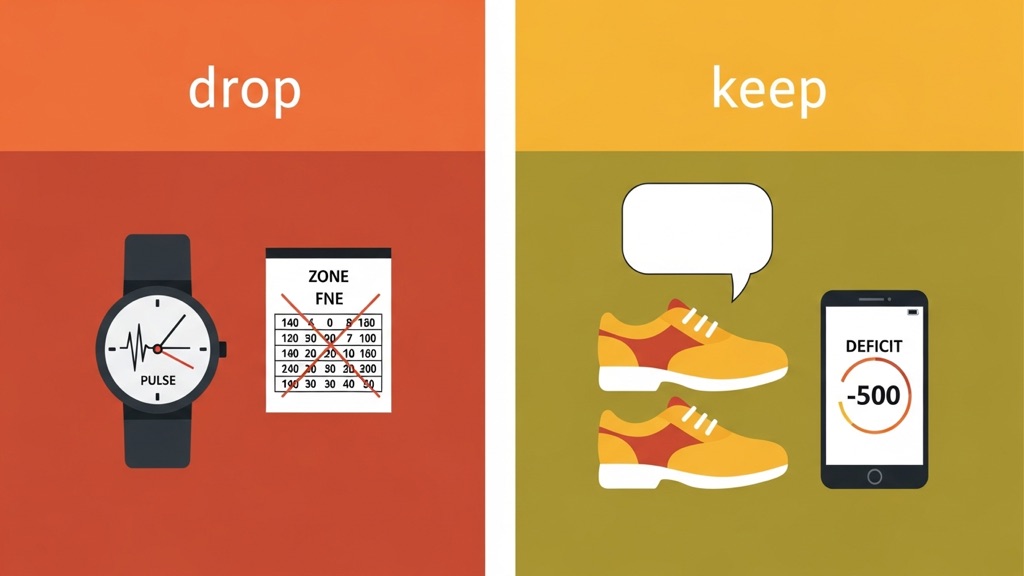
What to drop, what to track instead
Co-manage with your doctor, track the maths
The bottom line
Your watch is lying to you. Beta-blockers slow your pulse on purpose, so the calories-burned number and the old target zones stop working. Drop those. Keep your steps, the talk test, and your daily deficit in Burnie. The AHA wants about 150 minutes of moderate movement a week, where you breathe harder but can still talk. Co-manage the medicine with your doctor, and never change a dose for the watch. Talk to your doctor before you change anything.