
What is actually good about waking up early (and what is not)
Your phone is full of 4 am wake-up gurus calling early rising the secret of fat loss. The honest truth is that the clock time does not burn extra calories, and breakfast itself is not magic. What actually helps is enough sleep, a calm morning, and logging your breakfast in Burnie before the first bite.
You saw the video. A guru says, wake up at 4 am. Drink warm water. Do yoga. He calls it the secret of fat loss. So you try it. By day three you are tired, hungry, and cross. This short read is the honest version. Waking early can help some people. It is not magic. The clock time is the smallest part of the story.
Waking up at 4 am burns extra fat.
mostly falsemostly false — explained simply
Your body does not know the clock on the wall. It knows one maths sum: food calories in, minus calories you burn. If the sum is negative, you lose fat. If it is positive, you gain it. That sum does not change because you woke at 4 am, 6 am, or 9 am. In one careful study of 309 adults over 16 weeks, telling people to eat or skip breakfast changed their habit but had no real effect on weight loss. The clock did not save them. The maths did.
You must eat breakfast to lose weight.
mostly falsemostly false — explained simply
This one is stubborn. A big review of 13 randomised trials found that people who added breakfast actually ate about 260 kcal more per day than people who skipped it. Eating breakfast did not help them lose weight. It often added calories. So waking up early just to eat is not the win. The win is what and how much you eat all day, logged in Burnie, not chosen by the clock.
What early rising is actually good for
Early rising has one honest gift. It gives you time. Time to sit. Time to log breakfast in Burnie before the first bite. Time for a short walk while the lane is quiet. These small acts help, not because of the hour, but because they happen at all. One small study of college freshmen found that evening types gained about half a BMI point more over eight weeks than morning types. That is a tiny difference. It hints that morning structure helps some people hold the line. It does not mean night owls are stuck. Your body type is not your fate.
The real morning number is 7 hours of sleep
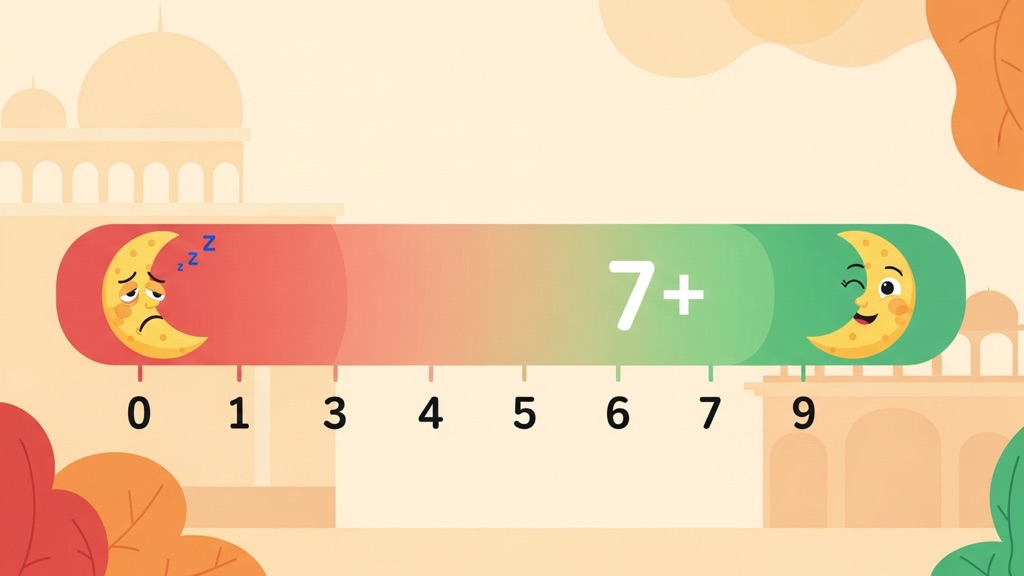
Sleep matters more than the wake-up time. The American Academy of Sleep Medicine says adults should sleep 7 or more hours each night. Six hours or less is not enough to stay healthy. If you sleep at midnight and wake at 4 am, you get four hours. You will be tired, hungry, and more likely to grab an extra samosa. The guru's 4 am alarm quietly breaks the rule that actually matters. Burnie does not read your sleep. It never has. This number is yours to count, in your own head.
Honest small moves that actually help
The bottom line
Waking early is not magic. The clock does not burn fat, the calorie maths does. One careful 16-week study showed eating or skipping breakfast made no real difference to weight loss. A big review found adding breakfast actually added about 260 kcal a day. The real morning number is sleep: 7 or more hours, as the AASM suggests. Burnie does not read it; that one is yours. Wake at the time that lets you sleep enough, log breakfast before the first bite, and move a little. That is the whole honest secret, no 4 am alarm required.